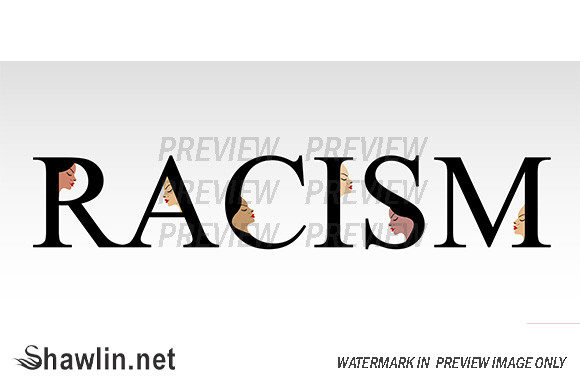
Text Racism with Faces of Women: A Powerful Visual Tool for Awareness and Education
Text Racism with Faces of Women is a compelling visual resource that combines text with imagery to highlight issues of racism and its impact on women. This unique illustration serves as a powerful tool for educators, creators, and advocates looking to spark conversations about social justice, identity, and representation. Whether you're developing content for a presentation, creating educational materials, or exploring new creative projects, this resource offers both aesthetic appeal and meaningful message.
The design features a mix of text and faces of women, making it an effective way to convey complex ideas in a visually engaging format. The zip file includes a vector EPS file, which is ideal for those using older software versions, and a high-resolution JPG, ensuring flexibility for various applications. With no watermark inside the files, you can confidently use these assets for professional or personal projects.
Why People Are Drawn to Text Racism with Faces of Women
Many individuals are drawn to Text Racism with Faces of Women because it provides a clear and impactful way to communicate sensitive topics. It’s especially useful for those who want to create content that educates, raises awareness, or sparks dialogue about race and gender. The visual nature of the design makes it easier for audiences to grasp complex themes without needing extensive explanation.
Professionals in marketing, education, and activism often seek out such resources to enhance their work. For example, a teacher might use the image to illustrate a lesson on social inequality, while a marketer could incorporate it into a campaign promoting inclusivity. The versatility of the design allows it to fit into a wide range of contexts, from academic settings to public campaigns.
Common Mistakes When Working with Text Racism with Faces of Women
Despite its usefulness, there are several common mistakes people make when working with Text Racism with Faces of Women. One of the most frequent errors is not checking the file formats before downloading or using them. While the zip contains both EPS and JPG files, some users may overlook the differences between vector and raster graphics, leading to quality issues when scaling the image.
Another mistake is failing to consider the context in which the image will be used. For instance, using a high-resolution JPG in a print project might result in pixelation if the image isn’t properly scaled. Similarly, using a vector file without the appropriate software can limit your ability to edit or customize the design. It's important to verify that your tools support the file types you're working with.
Some users also neglect to review the licensing terms or usage rights associated with the resource. Even though the files are provided without watermarks, it’s essential to ensure that you’re using them in compliance with any guidelines or restrictions. This is particularly important if the image will be used in commercial or public-facing projects.
How Mistakes Can Impact Your Work
Making errors when working with Text Racism with Faces of Women can have real consequences. Poorly scaled images can lead to unprofessional results, while incorrect file formats may prevent you from making necessary edits. These issues can affect the overall quality of your work, reduce the effectiveness of your message, and even cost you time and money in revisions.
For example, if you download a low-resolution version of the image and later need a higher-quality one, you may have to search for alternatives or pay for a premium version. Similarly, if you attempt to use a vector file without the proper software, you might find yourself unable to adjust the design, limiting your creative options.
Additionally, using the image inappropriately—such as in a context that misrepresents its purpose—can lead to misunderstandings or unintended consequences. It’s crucial to approach the resource with sensitivity and respect, especially given the serious themes it addresses.
Practical Tips for Using Text Racism with Faces of Women Effectively
To get the most out of Text Racism with Faces of Women, start by understanding the purpose of the design. Ask yourself how it aligns with your goals and what message you want to convey. This will help you decide whether the image is the right fit for your project and how best to incorporate it.
Before downloading, check the file formats and ensure they match your needs. If you plan to edit the design, opt for the EPS file, as it offers greater flexibility. For quick use in presentations or digital media, the JPG file will suffice. Always test the image in your intended application to avoid unexpected issues.
Consider the audience you’re targeting. If you’re presenting the image to a general audience, make sure the design is clear and easy to understand. If the audience has a specific interest in social justice or art, you may have more freedom to explore creative interpretations.
What to Check Before Making a Decision
Before using Text Racism with Faces of Women, take the time to evaluate your needs and expectations. Ask yourself questions like: What is the primary goal of my project? Will this image effectively support that goal? Am I using the right file format for my purposes?
It’s also wise to review any additional information provided by the creator. Some designers include notes about usage, copyright, or recommended applications, which can help you avoid potential pitfalls. If you’re unsure about anything, don’t hesitate to reach out through the contact form on the website for clarification.
Finally, think about the broader implications of using the image. How will it be received by your audience? Is it being used in a respectful and thoughtful way? By approaching the resource with care and intention, you can ensure that it contributes positively to your work and the conversation it aims to spark.