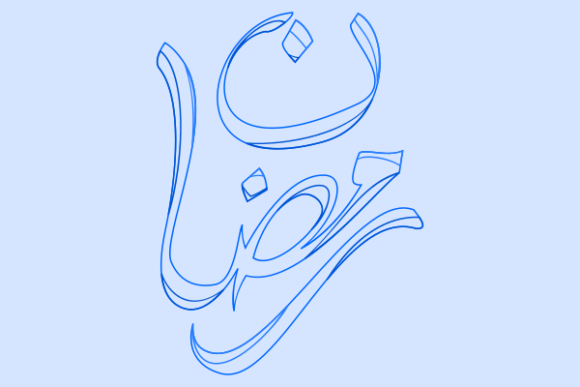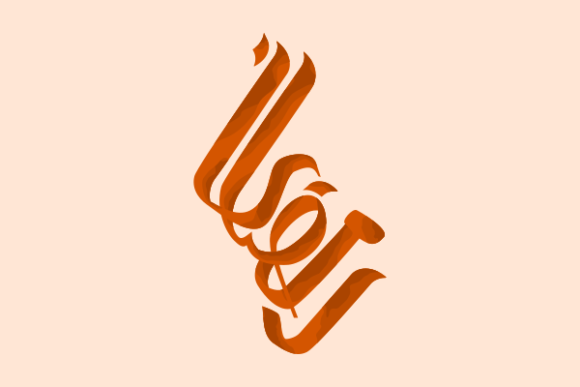
Outline Orange Ramadan Arab Calligraphy for Islamic Artwork Design
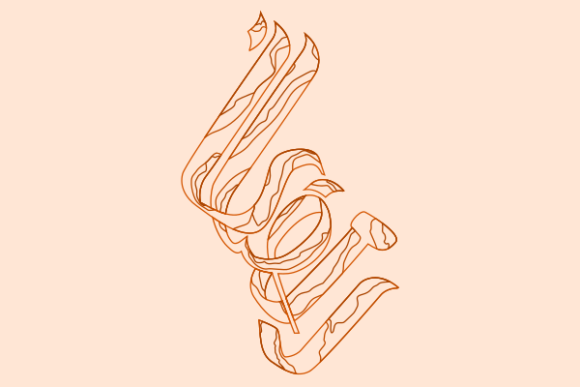
Outline Orange Ramadan Arab Calligraphy is a striking visual element that blends traditional Islamic art with modern design. This unique style features the Arabic word "Ramadan" in an elegant, minimalist outline form, using a vibrant orange hue to draw attention and evoke warmth. Ideal for artwork elements in Islamic Ramadan fasting moments, this calligraphy offers a versatile and meaningful addition to digital and print projects.
Why People Choose Outline Orange Ramadan Arab Calligraphy
Many creators, designers, and educators are drawn to Outline Orange Ramadan Arab Calligraphy for its aesthetic appeal and cultural significance. The clean lines and bold color make it an eye-catching choice for branding, social media posts, posters, and educational materials related to Ramadan. Its simplicity allows it to fit seamlessly into various design styles, from modern to traditional.
For those looking to incorporate Islamic themes into their work, this calligraphy provides a respectful and visually appealing way to represent the holy month. It also serves as a powerful symbol of community, faith, and reflection during Ramadan.
Common Mistakes When Using Outline Orange Ramadan Arab Calligraphy
Despite its popularity, there are several common mistakes people make when working with Outline Orange Ramadan Arab Calligraphy. One of the most frequent errors is not verifying the accuracy of the Arabic script. Incorrect spelling or formatting can lead to miscommunication and may appear disrespectful to the intended audience.
Another mistake is choosing the wrong file format. While the downloadable ZIP includes EPS, PDF, and high-resolution PNG files, some users may not be aware of the best use cases for each format. For example, EPS and SVG files are ideal for editing in software like Inkscape, while PNGs are better suited for web use.
Additionally, some individuals overlook the importance of resolution when using the PNG version. Low-resolution images can look pixelated when printed, which can negatively impact the overall quality of the final product.
How Mistakes Affect Results and Usability
Incorrect Arabic script can confuse viewers and diminish the cultural message of the design. It’s essential to ensure that the calligraphy accurately represents the word "Ramadan" in the Arabic language. Misuse of the script may also lead to negative perceptions, especially among those who are familiar with Islamic traditions.
Choosing the wrong file format can limit the flexibility of the design. For instance, if you only use the PNG version without access to the editable SVG, you may not be able to customize the artwork to fit your specific needs. This can result in a less effective or less professional-looking outcome.
Low-resolution images can also affect the presentation of the design. If the artwork is used in a printed format, such as a poster or flyer, poor quality can reduce the overall impact and professionalism of the piece.
Practical Advice for Better Outcomes
To avoid these issues, start by verifying the accuracy of the Arabic script. If you're unsure, consider consulting a native speaker or using a reliable Arabic font generator to double-check the spelling. This step ensures that your design is both visually appealing and culturally respectful.
When downloading the file, take the time to understand the different formats included. If you plan to edit the artwork, use the SVG or EPS files in software like Inkscape. These formats allow for greater customization, such as adjusting colors, adding text, or modifying shapes. For web use, the high-resolution PNG is a safe choice.
Always check the resolution of the PNG file before using it in any project. A minimum of 300 DPI is recommended for print, while 72 DPI is acceptable for digital use. This ensures that the image looks sharp and clear in all applications.
Realistic Examples and Better Approaches
Imagine you’re designing a social media post for a Ramadan event. Using the SVG version of the calligraphy allows you to adjust the color to match your brand palette or add a background that complements the orange tone. This level of customization can help your content stand out and resonate more deeply with your audience.
If you’re creating a printed flyer, using the high-resolution PNG ensures that the calligraphy remains clear and professional. You can also combine it with other design elements, such as illustrations or text, to create a cohesive and engaging layout.
For educators or content creators, incorporating the calligraphy into presentations or lesson plans adds a visually appealing and culturally relevant element. This can enhance the learning experience and help students connect with the material on a deeper level.
What to Check Before Making a Decision
Before using Outline Orange Ramadan Arab Calligraphy, consider your project’s requirements. Ask yourself: Will I need to edit the artwork? What format will I use? Who is my target audience? These questions can help guide your choices and ensure that the calligraphy meets your needs effectively.
Also, think about the context in which the artwork will be used. Is it for a religious event, a commercial campaign, or an educational resource? Understanding the purpose of the design helps you select the right version and apply it appropriately.
Finally, always test the artwork in its intended environment. Preview it on different devices and in various sizes to ensure that it looks good and functions well in all scenarios.
Conclusion: Make Informed Choices for Better Results
Outline Orange Ramadan Arab Calligraphy is a valuable tool for anyone looking to incorporate Islamic art into their work. By understanding the potential pitfalls and taking the right steps to avoid them, you can ensure that your designs are both beautiful and effective. Whether you’re a beginner or an experienced designer, making informed decisions about this artwork can lead to more satisfying and professional outcomes.